Callnovo

public transit

Multilingual rider support for routes, fares and service changes

AI agents handle route inquiries, fare questions, and service alerts in 65+ languages, keeping passengers informed across bus, rail, and paratransit systems.

People waiting at a tram station, capturing urban daily life with motion blur.

how it plays out

Real contacts, minute by minute.

SMS Spanish

"Is the Route 42 bus running on a holiday schedule today?"

Schedule inquiry on public holiday

  1. AI checked current service calendar for Route 42
  2. Confirmed holiday schedule in effect with adjusted times
  3. Sent next three departure times from rider's usual stop
  4. Offered opt-in for real-time delay alerts via SMS
Schedule confirmed rider informed
Web Chat Mandarin

"How do I load money onto my transit card?"

Fare card reload assistance for limited-English rider

  1. AI explained reload options in Mandarin: online, kiosk, or retail partner
  2. Provided step-by-step instructions for online reload
  3. Shared nearest kiosk and retail reload locations by address
  4. Confirmed current balance and offered auto-reload setup
Rider guided to reload self-service enabled
Phone Vietnamese

"I left my bag on the train. What do I do?"

Lost item report from distressed rider

  1. AI asked for train line, car number, and time of travel
  2. Filed lost item report with description and contact info
  3. Shared lost and found office hours and location
  4. Set up callback notification if item is recovered
Report filed rider reassured
Email Korean

"My disabled family member needs paratransit eligibility information"

ADA paratransit enrollment inquiry

  1. AI explained eligibility criteria and application process in Korean
  2. Sent downloadable application form with instructions
  3. Provided list of required medical documentation
  4. Scheduled phone interview for eligibility assessment
Application started access expanded

the team behind it

Faces, not a queue.

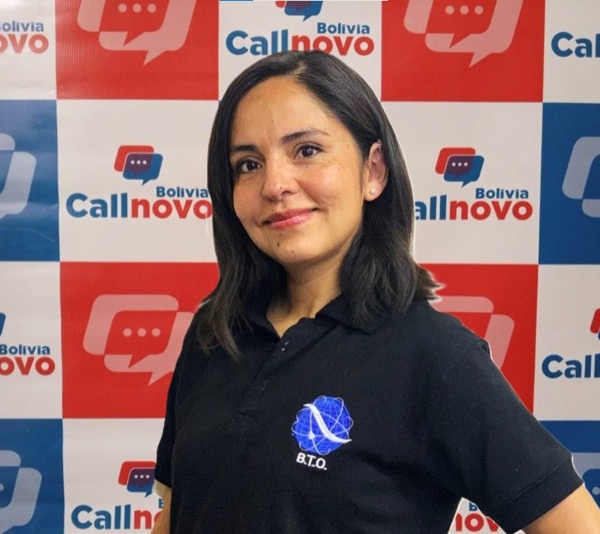
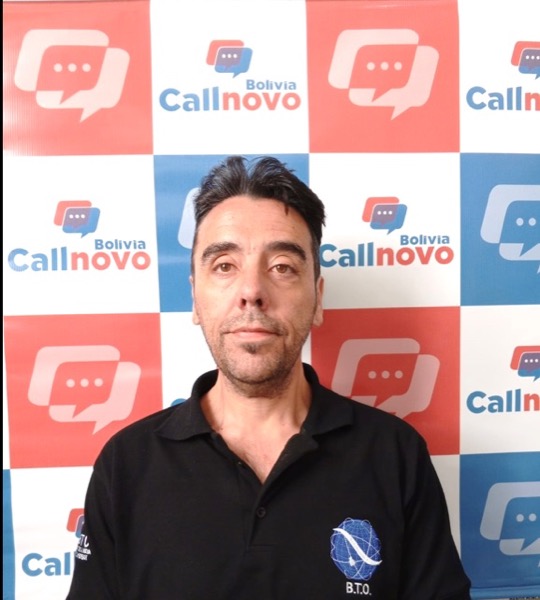
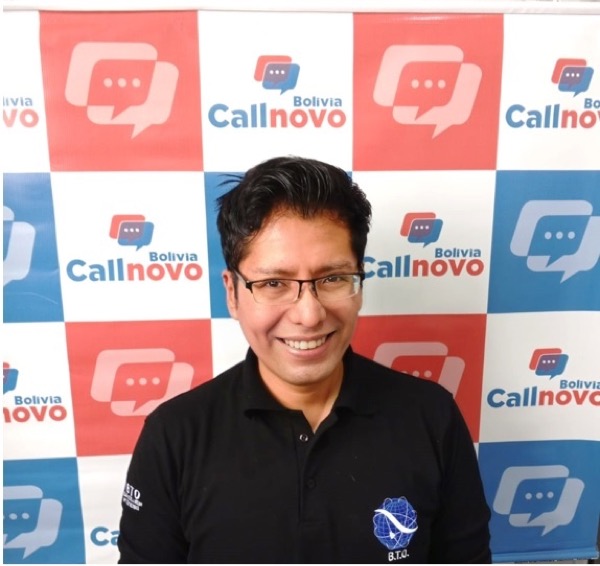
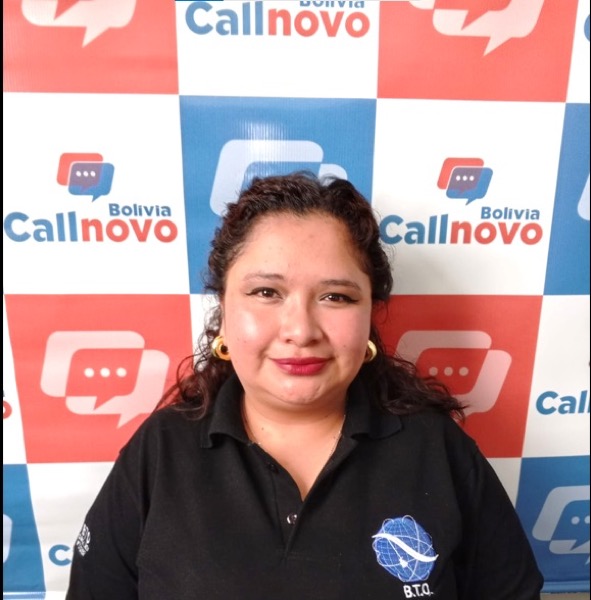
Callnovo agentCallnovo agentCallnovo agentCallnovo agentCallnovo agent real members of the global team

Transit Operations Specialists

  • Real-time service alert management and detour communication
  • ADA paratransit eligibility processing and accommodation requests
  • Multilingual rider outreach for fare programs and community access

65+ Languages

  • Human agents providing support in 65+ languages
  • Real-time AI translation for rare language pairs
  • Cultural context training for every market we serve

Follow-the-Sun Coverage

  • Operation centres in Canada, Bolivia, Nicaragua, the Philippines and China
  • Smooth handoff between time zones with shared context
  • Holiday and weekend coverage without overtime costs

the part nobody prices in

From a rider question to an agency answer

A rider asking about a missing bus needs the route, direction and stop checked against the agency’s latest service notice. Agree which timetable, detour notice and fare guidance agents should use, how those sources are updated, and who confirms information during a disruption. Keep the notice time with the answer so the next agent can see which update the rider received.

Configure HeroDash custom fields for route, stop, travel time and request type. A cascading category can separate fare-card help, lost property and paratransit application questions. Agents can filter those fields to find related requests. When a case enters a waiting-for-reply status, a configured trigger can add a tag and email the assigned agent; the rule execution is recorded in the conversation timeline. Agree the operations contact and escalation path before launch.

For a lost item, collect the vehicle or line reference, direction, journey time and description needed by the lost-property team. For a paratransit application question, use the agency’s approved instructions and record what the applicant still needs to provide. Eligibility decisions and service exceptions stay with the agency. The next rider update should name the next step and the team handling it.

what comes off the call

The rider enquiry record

Agree these fields during setup and keep them available to the team receiving the case.

  • Route, direction, stop and reported travel time
  • Fare, service notice, lost-property or application request category
  • Approved information source and time of its latest update
  • Details needed by the relevant agency team
  • Assigned owner, handoff acknowledgment and unresolved question
  • Rider’s preferred language, contact channel and next update

Review the required fields and handoff owners during your support walkthrough.

questions

What buyers ask before they sign.

How much does it cost?

AI voice is US$0.15 per minute and web chat is US$0.15 per session. Live agents start at US$650 per month including 1,500 minutes — about US$0.43 per minute — or from US$5.80 per hour for a dedicated agent working only your account. The minimum engagement is half a seat, not a five-seat block.

How fast can you start answering our phones?

Five days is our normal window to staff a live account — that is five days to find and place an agent who fits your business, not five days of software setup. AI voice can go live sooner because there is no hiring step.

Do you answer in Spanish?

Yes, on the same number, with agents in our Bolivia and Nicaragua operation centres — native Spanish, not machine translation. English and Spanish share one queue, and we cover 60+ more languages if you need them.

Can I mix AI and live agents on one number?

That is the normal setup. You decide which call types go to AI and which reach a person, and you can change the split as your volume changes. Nothing about that decision is locked in at signup.

How do agents answer during a disruption?

Agree an approved source for service notices and a contact who can confirm changes. Agents use the current notice, record its time with the case and refer unresolved route or arrival questions to that contact. Access to your operational systems is scoped during implementation.

Can the desk help with paratransit applications?

Agents can explain your published application steps and help callers identify the required documents. Set collection and access rules before launch. The agency retains eligibility decisions and approval of exceptions.

start

Plan your rider-support coverage

Bring your route-information sources, contact volumes and escalation rules to a support walkthrough.