the part nobody prices in
Two people call your office and only one of them is your customer.
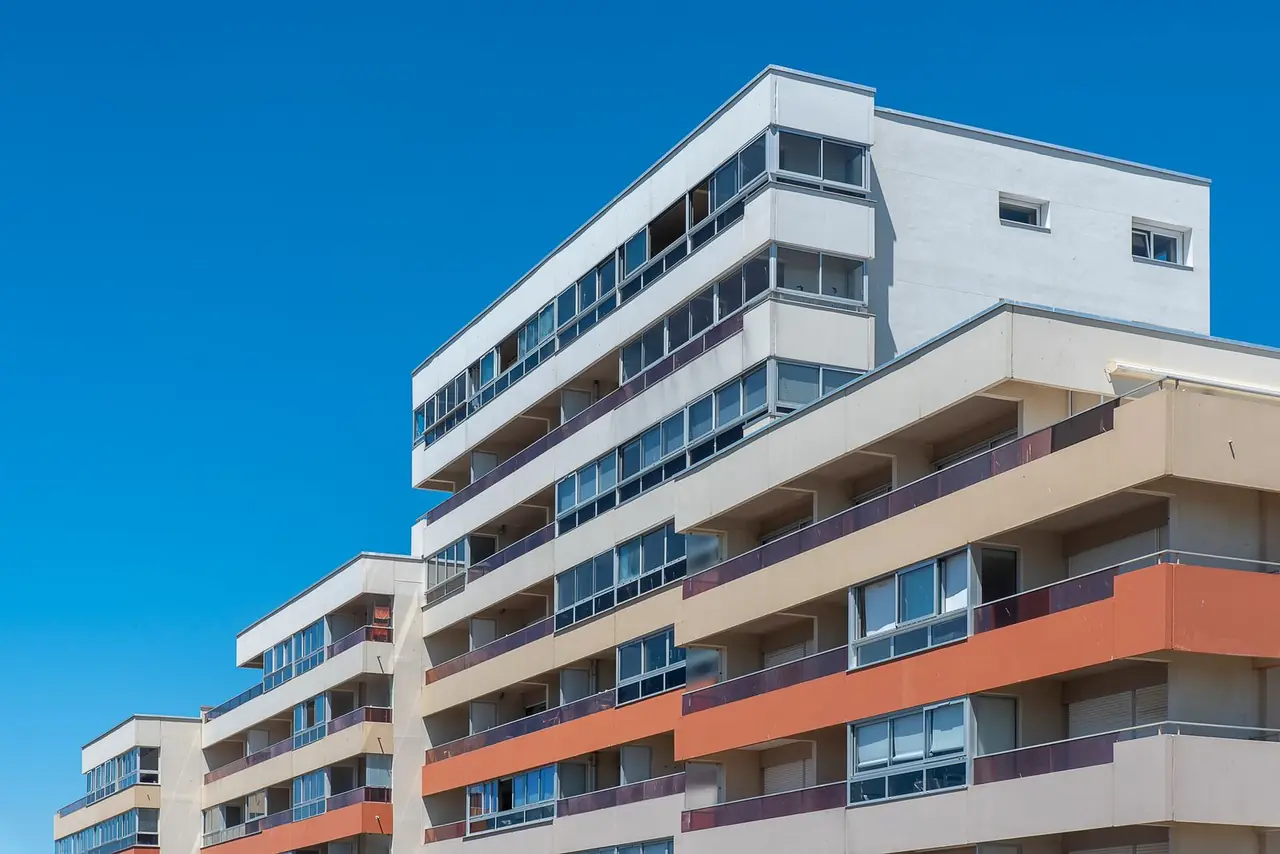
A property manager answers two completely different phones on the same line. Owners are the customer. Tenants are the obligation — and the ones who actually call, at volume, about things that are urgent to them and routine to you.
Most answering services treat both the same way, which is how a manager ends up with a message log full of "tenant called about the dishwasher" and no idea that a landlord tried to reach them twice about a renewal.
The split we recommend follows that reality. AI absorbs the tenant volume that has a right answer — rent dates, portal resets, parking, when the plumber is coming — while a person handles habitability, safety and anything an owner says. That is not an efficiency trade. It is making sure the phone reflects who actually pays you.
Keep the maintenance request and the repair status separate. A message sent to an on-call vendor is a handoff; the repair stays open until the responsible person confirms the next state. Record the unit, reported issue, escalation contact, acknowledgment and next follow-up.
Where HeroDash is used, custom fields can distinguish the request type, current status and responsible person. Agree which updates your team authorizes and test the handoff before using the workflow for live tenant requests. Connection to a property system is assessed separately.
If the work continues beyond answering the call, review our real estate and property management virtual assistant services. That page covers recurring communication, authorized record updates and maintenance coordination under a dedicated staffing arrangement.