Key Takeaways
- The buyer and the user were not the same person. FJ’s smart photo frame was bought by tech-comfortable adult children and used daily by their parents and grandparents in their 70s and 80s.
- The product was fine. The support model was built for the wrong half. Every assumption — how to reach support, how fast it moved, how it explained things — was calibrated for the buyer, not the senior user.
- Three fixes solved it: a North American toll-free number, a senior-specific communication SOP, and unified data that turned support contacts into product intelligence.
- The result: senior-user complaints down 67%, first-contact resolution at 89%. And a 2am support call even surfaced a hidden video-codec bug.
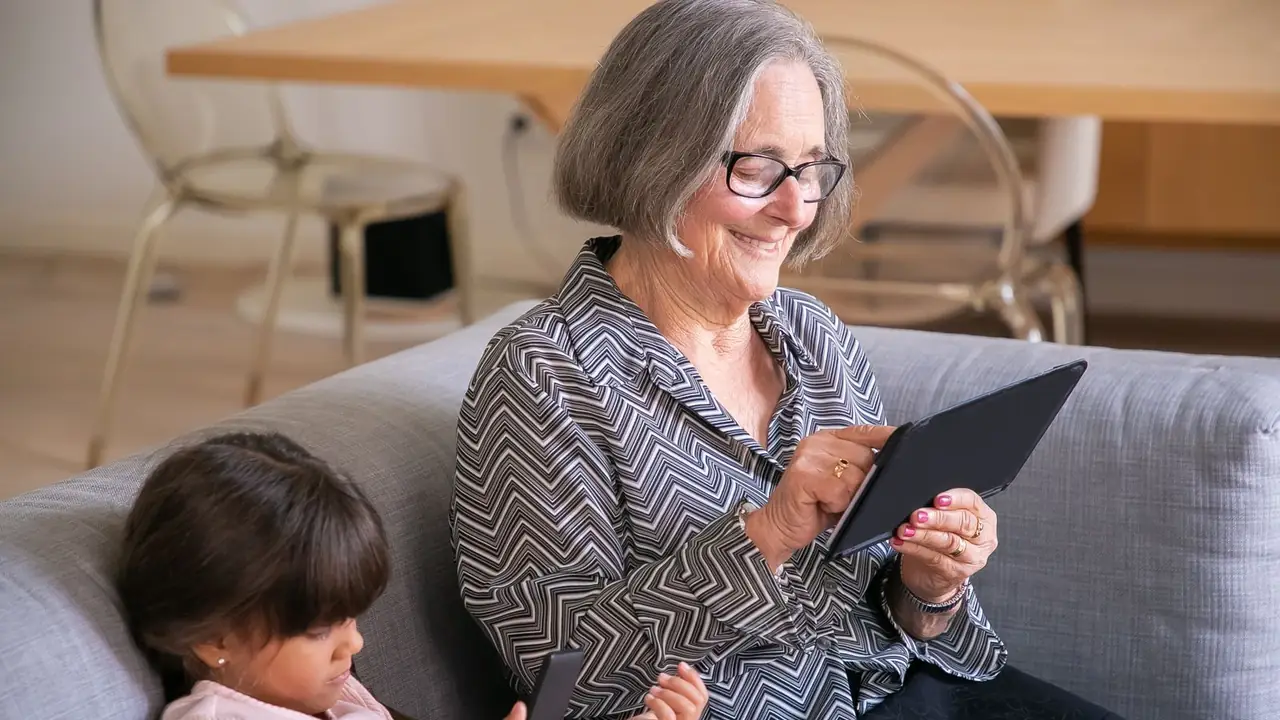
“They’re not slow. Your support team is just too fast.”
That sentence reframed an entire support operation. FJ makes a Wi-Fi smart photo frame that lets families share photos remotely — adult children push photos directly to a screen in a parent’s or grandparent’s home. No app for the recipient to manage. No account to log into. Just photos arriving on a display — most of them watched by senior users in their 70s and 80s.
The product worked. The support experience didn’t — because the people buying the product and the people using it were not the same people. That single gap is the reason this case study exists.
A product for families, a support system for the wrong half
FJ launched their frame into the North American Amazon market in 2024. The hardware was solid and the software performed as designed. But within a quarter, the complaint rate was climbing and returns were accumulating, and the operations team couldn’t find a product explanation. Nothing was failing.
The buyer profile was tech-comfortable adult children, often purchasing as a gift. The user profile was North American seniors — 70s, 80s, sometimes older — who touch the device every day.
That mismatch is more common than most smart home brands realize. When the person who selects a product and the person who lives with it have different levels of technical comfort, a support system designed around the buyer quietly fails the user.
Three problems that only appear when seniors are your real users
Problem one: no local number to call. When a senior user in North America has a device problem, the default behavior is to pick up the phone and call a local number — not send an email, not open a chat window. A real voice is the trust signal that matters to this demographic in a way it doesn’t for younger buyers. FJ had no North American 800 toll-free number. Users who couldn’t connect the Wi-Fi, or noticed photos had stopped updating, had nowhere to turn. The friction of figuring out how to reach the brand — or discovering there was no easy way — was enough to trigger a return before any support contact even started. These weren’t product-failure returns. They were missing-channel returns.
Problem two: standard support pace is calibrated for the wrong user. Professional support runs at a specific tempo — efficient, quick, information-dense. That is exactly right for most ecommerce scenarios. For a senior user still building comfort with a touchscreen, that pace is the problem. “Go to settings and enable the permissions” is technically correct and practically useless. Senior users weren’t leaving calls with problems solved; they were leaving more confused than when they started — and that frustration became negative reviews and return requests.
Problem three: scattered data, no visibility. Inquiries arrived through Amazon messages, email, and phone — three disconnected channels. When a return was processed, the logged reason was usually “other.” The real cause — a senior user stuck on the Wi-Fi step who couldn’t get past it — was never captured in a form anyone could analyze. FJ’s product team was iterating without the signal they needed.
Three changes that addressed all three problems
Change one: a toll-free number, deployed in days
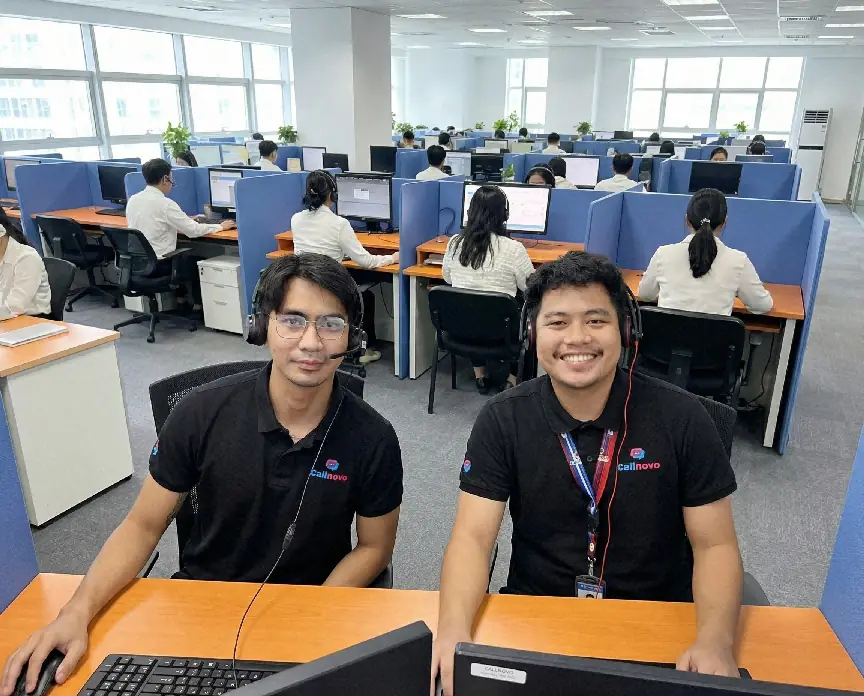
Callnovo helped FJ apply for and deploy a North American 800 toll-free number, connected directly to the HeroDash support platform. Senior users finally had a free local number to call — no international charges, no hunting for a contact form, no deciding which channel to use.
All three channels — phone, Amazon messages, email — were consolidated into one unified workspace. Agents could see every contact from every channel in one place, with full conversation history regardless of where the customer had reached out before. The fragmentation was eliminated at the infrastructure level.
For smart home brands whose users interact with the device daily, a local phone number is not a nice-to-have. It is the foundational channel that makes everything else possible.
Change two: a senior-specific “Three-Step” communication SOP
Callnovo built a dedicated communication SOP for the FJ account, designed around the pace and needs of senior users. It sounds simple and takes real discipline to execute consistently.
Slow down and acknowledge first
Agents open in clear, mid-pace American English — not compressed efficiency tempo. Before any troubleshooting, the agent acknowledges why the customer called and creates space for them to feel heard. A frustrated senior user needs to feel listened to before they can follow any instruction.Break instructions into the smallest action
Not “go to settings and enable permissions.” Instead: “Do you see your screen right now? Good. Can you see a white gear icon in the top-left corner? Just the icon — don’t tap anything yet. Do you see it?” Each step is one completable action, confirmed before the next. Nothing assumed, nothing skipped.Close the loop on the first call
Agents were certified on FJ’s product alongside FJ’s own technical team, targeting 80%+ of setup and connectivity issues resolved on call one — staying on the line until it was solved or genuinely needed escalation. For a senior user, a callback for the same problem is rarely recoverable.This SOP didn’t come from a generic training framework. It was built for the FJ product, the FJ user base, and the specific scenarios — Wi-Fi connectivity, photo-update delays, device setup — generating the most contacts. Agents passed FJ product certification before handling a single call.
Change three: unified data that became product intelligence
With every channel consolidated in HeroDash, each contact was logged with structured tags — issue type, resolution path, outcome, recurring theme. Management could see real-time KPIs: answer rate, satisfaction, first-contact resolution. More importantly, the structure made patterns visible.
The first big product insight came within weeks. A cluster of contacts flagged an inability to play videos on the frame. It showed up clearly in the tag data — not buried in free-text notes, but in a structured category that could be sorted and counted. FJ’s product director traced it to a HEVC video codec compatibility issue, deployed a fix, and video-playback contacts dropped sharply in the following weeks.
That improvement came from a support call that happened at 2am — a senior user whose grandchild had set up the frame, calling because videos wouldn’t play. Under the old system, that contact would have been logged as “other” and vanished. Under the new one, it became the signal that found a product bug.
Sitting on support contacts you can’t turn into product signal? See how HeroDash structures support data into countable tags — or talk to our team about your setup.
What the numbers looked like after
FJ Results with Callnovo
First-contact resolution landed at 89% — comfortably past the 80% target the SOP was built around. Coverage runs 24/7, with real human English-speaking agents available whenever a North American senior picks up the phone.
We used to focus on hardware specs. We forgot that the people actually using the frame are North American seniors in their 70s and 80s. The Callnovo team isn't just a support operation — they're a digital literacy bridge for our users. That's what lets us hold our positioning as a family connection device.
FJ North America Operations Lead, Smart Photo Frame Brand
The Callnovo reports showed a significant volume of users reporting they couldn't play videos. We used that to quickly identify a HEVC format compatibility issue. The 24/7 coverage means we're capturing product optimization signals even at 2am — signals we would have completely missed before.
FJ Cloud Photo Frame Product Director, Smart Photo Frame Brand
What smart home brands selling to families should take from this
FJ’s situation isn’t specific to photo frames. It applies to any smart home product where the buyer and the daily user are different people with different technical comfort — and that category is bigger than most brands plan for. Per the Pew Research Center, adoption among older adults keeps rising, but comfort with multi-step device setup still lags younger users — which is exactly where support has to close the gap.
Smart speakers bought by adult children for elderly parents. Simplified tablets given as gifts. Home security systems set up by one family member and monitored by another. Health-monitoring devices chosen by caregivers and worn by seniors. In every case, the same dynamic: the support system is built for the person who selected the product, not the person who uses it daily.
Three things worth examining in your own operation:
- Is there a number your actual users can call? Not a contact form. Not a chat widget. A free local number a senior user recognizes as a way to reach a real person. Without one, your primary channel is inaccessible to a meaningful share of your users. (This is where managed support and multilingual coverage start.)
- Is your support calibrated for your users or your buyers? Standard pace and technical vocabulary work for tech-comfortable buyers and create friction for seniors. An agent who can genuinely restructure how instructions are delivered — not just slow down — is trained, not default.
- Does your support data surface product signals? Tagged, structured contacts become countable issues your product team can act on — see how the EZVIZ smart-home team did exactly that with HeroDash.
The senior users returning FJ’s photo frames weren’t returning them because the product didn’t work. They were returning them because the support system that should have helped them get it working wasn’t built for them.
Sixty-seven percent fewer complaints later, it is.
FAQ
Why were senior users returning a product that worked?
The returns weren’t driven by product failure. They were driven by a support system built for the buyer — tech-comfortable adult children — rather than the senior users who interact with the device daily. With no local number to call and support paced for fast, technical buyers, senior users couldn’t get the help they needed and returned the product instead.
What is the most important support channel for senior smart home users?
A free local phone number. For North American seniors, calling a real person is the trust signal that matters most. A toll-free (800) number, not a contact form or chat widget, is the foundational channel that makes the rest of the support experience accessible.
How do you train agents to support elderly or non-technical users?
With a dedicated communication SOP: slow down and acknowledge the customer before troubleshooting, break every instruction into a single confirmable action, and aim to resolve the issue on the first call. It also requires product certification so agents can actually solve setup and connectivity problems rather than hand off a ticket.
How does unified support data improve a smart home product?
When every contact is tagged with structured categories instead of generic “other” reasons, recurring issues become visible and countable. In FJ’s case, clustered tags revealed a HEVC video-codec bug that the product team fixed quickly — a signal that would have been invisible under fragmented, free-text logging.
About Callnovo
Callnovo is a global multilingual customer support partner helping ecommerce and consumer-electronics brands build dedicated specialist teams backed by the HeroDash unified support platform. For products where senior users are part of the customer base, that means real human English-speaking agents, accessible phone channels, and structured data that turns every support contact into product intelligence.
Selling smart home or consumer electronics where senior users matter? Explore Callnovo’s dedicated specialist support teams and the HeroDash unified platform, or talk to our team about what the right support operation looks like for your product and user base.
Sources
- Pew Research Center — Internet & Broadband Adoption
- Pew Research Center — Mobile Technology Fact Sheet
Client names and internal role titles anonymized at their request. Performance metrics reflect results from an active Callnovo partnership.